Blog
Commercial Roofing on Occupied Buildings: How to Minimize Tenant Disruption During Roof Work
June 5, 2026
Commercial Roofing on Occupied Buildings: How to Minimize Tenant Disruption During Roof Work
When your commercial building needs roofing work but tenants can’t afford downtime, you face a challenging balancing act. Commercial roofing on occupied buildings requires careful planning to minimize tenant disruption during roof work - and with the right approach, you can complete necessary repairs or replacements while keeping your tenants happy and your rental income flowing.
Property owners in Alhambra, CA, understand this challenge intimately. Between retail spaces that can’t close during peak shopping seasons and office tenants who need uninterrupted operations, finding the right time and method for roofing work often feels impossible. However, experienced commercial roofing contractors have developed proven strategies to reduce noise, control dust, maintain access, and preserve the professional environment your tenants expect.
The key lies in understanding that tenant disruption isn’t just about construction noise - it’s about protecting relationships, maintaining lease agreements, and preserving your property’s reputation. Whether you’re dealing with emergency repairs that can’t wait or planning a comprehensive roof replacement, the strategies outlined below will help you navigate the complexities of occupied building roofing projects.
Pre-Construction Planning: Setting the Foundation for Success
Successful occupied building roofing projects begin weeks before the first worker arrives on-site. The planning phase determines whether your project runs smoothly or becomes a tenant relations nightmare.
Start by conducting a comprehensive tenant communication audit. Document each tenant’s business hours, peak operation times, and specific sensitivity concerns. A medical office, for example, requires absolute quiet during patient consultations, while a retail store might tolerate moderate noise but needs full customer access maintained. Understanding these nuances allows you to tailor your approach to each tenant’s needs.
Coordinate with your roofing contractor to develop detailed work schedules that align with tenant operations. In the San Gabriel Valley, many commercial buildings house businesses that operate standard 9-to-5 schedules, making early morning, evening, and weekend work viable options. However, retail tenants often prefer weekday work to avoid disrupting busy weekend shopping periods.
Create a comprehensive communication timeline that keeps tenants informed at every stage. Initial notifications should go out 30 days before work begins, with weekly updates leading up to the start date. Include specific details about expected noise levels, duration of different phases, and any temporary inconveniences. This proactive communication builds trust and reduces anxiety about the upcoming project.
Document everything. Take photographs of common areas, tenant spaces, and any existing conditions that might be questioned later. This documentation protects both you and your contractor if disputes arise about damage or disruption levels.
Establish clear protocols for emergency situations. Determine how tenants will be notified of unexpected delays, weather-related schedule changes, or safety concerns. Having these procedures in place prevents confusion and demonstrates your commitment to professional project management.
Noise and Dust Control Strategies
Controlling noise and dust represents the most critical aspect of maintaining tenant satisfaction during roofing work. Modern commercial roofing techniques offer several options for minimizing these disruptions.
Implement strict timing restrictions for high-noise activities. Heavy equipment operation, tear-off work, and mechanical fastening should occur during predetermined hours that least impact tenant operations. For office buildings, this typically means work between 7:00 AM and 9:00 AM or after 6:00 PM. Retail spaces often prefer mid-morning to early afternoon timing when customer traffic is naturally lower.
Deploy advanced dust containment systems throughout the project. Professional-grade tarping, negative air machines, and sealed work areas prevent roofing debris from infiltrating tenant spaces. Pay special attention to HVAC intake locations, which can distribute dust throughout entire buildings if not properly protected.
Consider noise-reducing alternatives to traditional roofing methods. Our RainArmor seamless cool-roof system offers significant advantages for occupied buildings because restoration projects generate far less noise and debris than complete tear-off replacements. This approach preserves existing roof structures while providing new waterproofing and energy efficiency benefits.
Establish dedicated material staging areas away from tenant entrances and high-traffic zones. Coordinate deliveries during off-peak hours to minimize disruption to customer and employee access. Use quieter equipment whenever possible, including low-noise compressors and battery-powered tools for detail work near sensitive areas.
Create physical barriers between work zones and tenant spaces. Temporary walls, soundproof panels, and protective sheeting not only control noise and dust but also provide visual separation that helps tenants feel more secure about their space protection.
Monitor air quality throughout the project using professional equipment. This demonstrates your commitment to tenant health and safety while providing objective data about dust control effectiveness. Some sensitive tenants, such as medical facilities or food service operations, may require specific air quality certifications during construction periods.
Scheduling and Workflow Management
Effective scheduling transforms potentially chaotic roofing projects into well-orchestrated operations that respect tenant needs while maintaining project momentum.
Develop phase-based work schedules that limit disruption to specific building areas. Rather than working across the entire roof simultaneously, focus on completing one section before moving to the next. This approach allows tenants in unaffected areas to maintain normal operations while providing completed sections that won’t require additional disturbance.
Coordinate utility shutdowns with maximum advance notice. When electrical, HVAC, or water systems require temporary interruption, schedule these disruptions during tenant-approved hours with backup systems in place when possible. Provide detailed timelines showing exactly when services will be restored, and build buffer time into schedules to account for unexpected complications.
Implement flexible scheduling protocols that can adapt to tenant emergencies or special events. Important client meetings, seasonal sales periods, or medical procedures may require temporary work modifications. Having pre-established procedures for schedule adjustments demonstrates professionalism and builds tenant loyalty.
Use project management software that provides real-time updates to tenants. Many modern systems allow tenants to receive automatic notifications about daily work plans, weather delays, or schedule modifications. This transparency reduces anxiety and prevents constant phone calls requesting project updates.
Plan for weather contingencies that consider both project delays and tenant comfort. Temporary roof protection systems should be designed not just to protect the building structure but to maintain comfortable indoor environments. Excessive heat, cold, or moisture infiltration during weather delays can create tenant dissatisfaction that outlasts the construction period.
Consider seasonal factors unique to Alhambra’s climate when planning project timelines. Summer heat can intensify roofing odors and require modified work hours, while winter rains may extend project duration but provide cooler working conditions that generate less thermal stress on building occupants.
Case Study: 280,000 Sq Ft Manufacturing Facility
When a major San Gabriel Valley manufacturer with over 200 employees faced the challenge of restoring their aging metal roof, they needed a solution that wouldn’t disrupt their continuous production operations. The 280,000 square foot facility operates multiple shifts around the clock, making traditional roof replacement methods impractical.
The project required metal roof restoration while maintaining full operational capacity throughout the entire construction period. This presented unique challenges in coordination, noise control, and access management that tested every aspect of our occupied building methodology.
Sectional Methodology Implementation
We developed a comprehensive sectional approach that divided the massive roof into 20 manageable zones of approximately 14,000 square feet each. Each section could be completed in 15-30 minutes of active coating application, allowing us to work around the facility’s complex operational requirements.
The sectional methodology began with detailed mapping of the building’s interior operations below each roof zone. Production areas requiring absolute quiet during quality control testing were scheduled for coating during designated break periods. Heavy machinery zones that generated their own noise provided natural windows for more intensive restoration work.
Each phase followed a strict sequence: surface preparation during off-shift hours, primer application during designated noise-tolerant periods, and final coating during the brief 15-30 minute windows when operations could accommodate the work. This approach allowed us to coat the entire roof in phases without ever requiring a complete production shutdown.
Operational Coordination Excellence
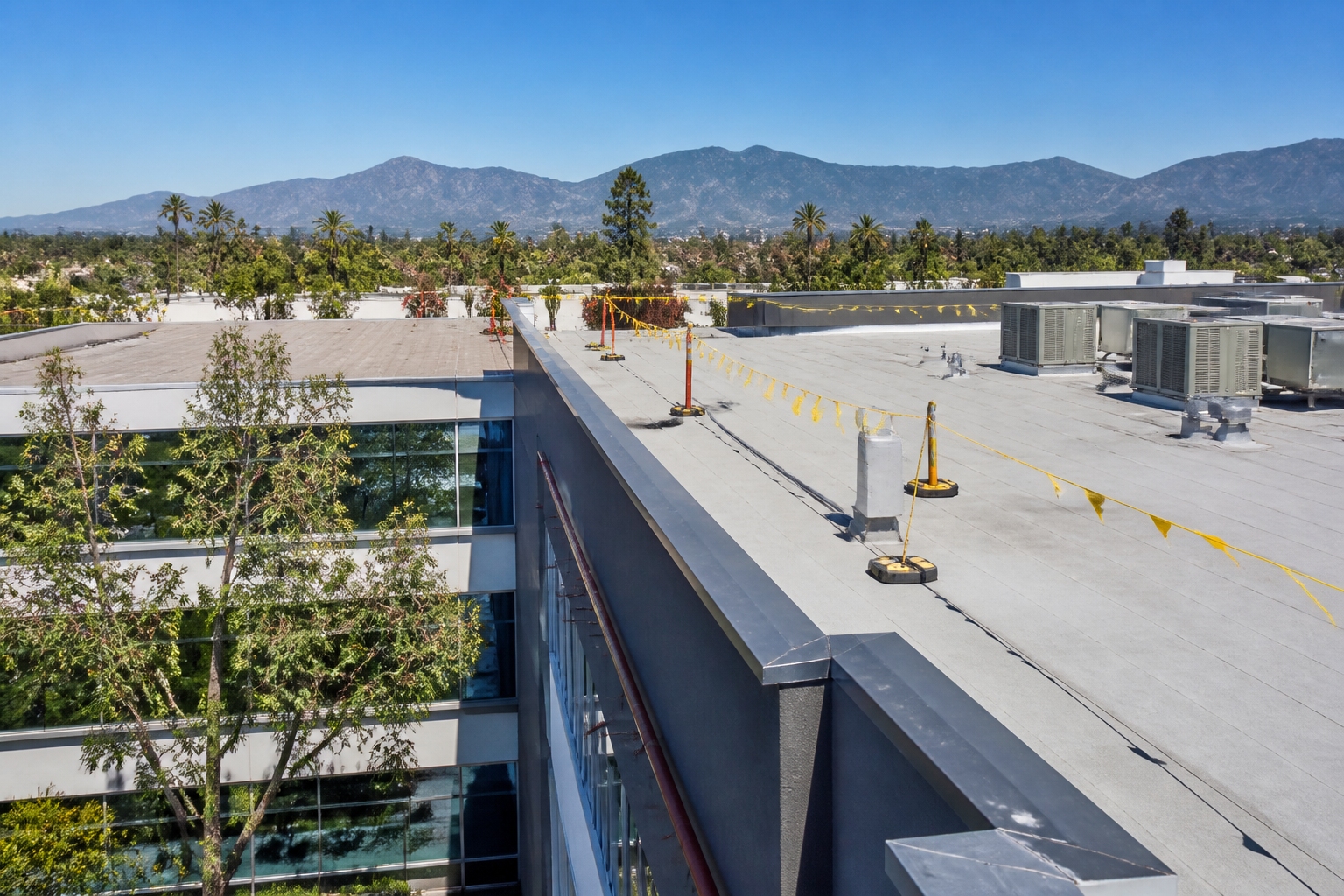
The project’s success depended on sophisticated coordination between our roofing crews and the manufacturing facility’s operations team. We established a comprehensive communication system using colored flags and cones to indicate work zones and access restrictions throughout each shift.
Scheduled access windows were coordinated weeks in advance, with backup time slots identified for weather delays or operational emergencies. Our staff communication protocols included direct radio contact with production supervisors, allowing real-time coordination of work activities with manufacturing schedules.
Safety protocols included designated walkways for facility personnel, temporary barriers around active work zones, and coordinated timing of material lifts to avoid interference with shipping and receiving operations. The manufacturing team appreciated our ability to work around their critical production deadlines without compromising safety or quality standards.
Industry Applications and Benefits
This project demonstrated the particular effectiveness of sectional roofing methodologies for warehouse roofing applications where continuous operations are essential. Manufacturing facilities, distribution centers, and medical healthcare facilities represent ideal candidates for this approach due to their operational complexity and disruption sensitivity.
Hospitals benefit significantly from sectional methodologies because they can maintain patient care areas in unaffected building sections while restoration work occurs overhead. The ability to complete roofing work without evacuating sensitive medical equipment or interrupting critical care operations provides substantial value to healthcare facility managers.
Distribution centers face similar challenges with continuous shipping schedules and temperature-controlled storage requirements. Our sectional approach allows these facilities to maintain their logistics operations while addressing roofing needs during brief operational windows that don’t disrupt supply chain commitments.
The success of this 280,000 square foot project has become a model for other large-scale occupied building roofing projects throughout the San Gabriel Valley, demonstrating that even the most complex facilities can receive necessary roofing improvements without operational shutdowns.
Communication and Tenant Relations
Outstanding communication separates successful occupied building roofing projects from tenant relations disasters. Your communication strategy should anticipate concerns before they arise and provide multiple channels for tenant feedback and updates.
Establish a dedicated project communication coordinator who serves as the single point of contact for all tenant inquiries. This person should be available during extended hours to address concerns promptly and professionally. Avoid requiring tenants to contact multiple people for different types of questions or issues.
Create comprehensive project communication packages that include visual elements. Floor plans showing work zones, daily schedule graphics, and progress photographs help tenants understand project scope and timeline. Many tenants respond better to visual information than text-heavy updates.
Implement multiple communication channels to accommodate different tenant preferences. Email updates work well for office tenants, while posted notices serve retail customers and employees who may not have direct email contact with building management. Consider text message alerts for urgent updates about schedule changes or safety issues.
Develop template responses for common tenant concerns about commercial roof repair projects. Quick, consistent answers about noise duration, dust control measures, and project completion dates help maintain professional relationships even when tenants become frustrated with construction inconveniences.
Schedule regular in-person check-ins with key tenants, especially those with long-term leases or high-value operations. Face-to-face communication demonstrates respect for their business concerns and provides opportunities to address issues before they escalate into formal complaints.
Document all tenant interactions throughout the project. This record-keeping protects you legally and provides valuable information for future roofing projects. Note specific tenant concerns, resolution methods, and feedback about what worked well or could be improved.
Material Storage and Site Access Management
Strategic material management and access control prevent occupied building roofing projects from becoming logistical nightmares that frustrate tenants and delay completion.
Designate specific staging areas that minimize impact on tenant access and customer parking. Loading zones should be positioned to maintain clear pathways for emergency vehicles and regular business operations. Consider renting temporary storage containers positioned strategically around the building perimeter rather than monopolizing parking areas that tenants and customers need.
Implement controlled access systems that maintain building security while allowing necessary contractor movement. Temporary access cards, escort protocols, and restricted work hours prevent unauthorized building access that could concern tenants about security breaches. Clearly identify all workers with visible credentials and provide tenant notification about authorized personnel.
Coordinate delivery schedules with tenant peak operation times. Early morning deliveries often work well for office buildings but may conflict with retail businesses that receive inventory during those hours. Establish delivery windows that avoid tenant loading dock conflicts and customer access disruption.
Create protected walkways and entrances that maintain professional building appearance during construction. Temporary canopies, non-slip walkway covers, and clear signage help tenants and their customers navigate around construction areas safely while preserving the building’s professional image.
Develop material lifting and transportation plans that consider building structure limitations and tenant space protection. Crane positioning, equipment routes through common areas, and temporary floor protection systems should be planned to prevent damage to tenant improvements and building finishes.
Establish clear protocols for tool and equipment storage that prevent theft while maintaining organized work sites. Locked storage areas, inventory tracking systems, and daily cleanup requirements demonstrate professionalism and reduce tenant concerns about construction-related security risks.
Working With Professional Contractors
Choosing the right commercial roofing contractor makes the difference between a smooth occupied building project and a tenant relations disaster. Professional contractors understand the unique challenges of occupied building work and have systems in place to manage them effectively.
Verify that your contractor has specific experience with occupied building projects. Ask for references from similar property types and contact those references to understand how disruption was managed, communication handled, and tenant concerns addressed. Experience with your specific building type - whether retail, office, or mixed-use - provides valuable insight into potential challenges.
Ensure your contractor carries appropriate insurance coverage for occupied building work. General liability, workers’ compensation, and tenant disruption coverage protect you from financial exposure if problems arise during construction. Request certificates naming your property as additional insured and verify coverage amounts meet your property’s risk profile.
Establish clear performance standards for noise control, dust management, and cleanup requirements. Professional contractors should provide specific protocols for these issues and demonstrate their capability with specialized equipment and procedures. Don’t accept vague promises about “minimizing disruption” - require detailed explanations of specific measures that will be implemented.
At HP Roofing Pro, our experience with occupied commercial buildings throughout the San Gabriel Valley has taught us that successful projects require equal attention to construction quality and tenant relations. Our team includes dedicated project coordinators who specialize in maintaining positive tenant relationships throughout construction periods.
Review contractor safety protocols that extend beyond worker protection to include tenant and customer safety. Proper barriers, warning signage, and debris control systems protect everyone while demonstrating professionalism that reassures tenants about project management quality.
Require detailed project schedules that break down work phases with specific timeframes for noise-intensive activities. Professional contractors can provide realistic timelines that account for weather delays, material delivery challenges, and coordination with building systems. Use these schedules to keep tenants informed about what to expect and when.
Post-Project Cleanup and Follow-Up
The project doesn’t end when the last roofing material is installed. Proper cleanup and follow-up procedures ensure tenant satisfaction and protect your property’s long-term relationships.
Implement comprehensive cleanup protocols that address both obvious debris and hidden dust accumulation. Professional cleaning should extend beyond the roof area to include common spaces, tenant entrances, and any areas where dust may have migrated during construction. Pay special attention to HVAC systems, which may require filter replacement or duct cleaning depending on project scope.
Conduct thorough building inspections with tenant representatives to document project completion and address any concerns. Walk-through inspections provide opportunities to demonstrate project quality while identifying any issues that need immediate attention. Document these inspections with photographs and written reports that protect both parties.
Provide comprehensive project documentation to tenants, including warranty information, commercial roof maintenance recommendations, and contact information for future service needs. This documentation demonstrates professionalism and provides valuable resources for ongoing building care.
Schedule follow-up communications 30, 60, and 90 days after project completion to ensure tenant satisfaction and address any emerging concerns. Post-project follow-up demonstrates ongoing commitment to tenant relationships and provides early warning about issues that might require attention.
Consider tenant appreciation gestures that acknowledge the inconvenience they experienced during construction. Small gifts, utility bill credits, or other tokens of appreciation can transform a necessary disruption into a positive demonstration of your commitment to tenant satisfaction.
Frequently Asked Questions
Q: How much advance notice should I give tenants before starting a roofing project?
We recommend providing initial notification at least 30 days before project commencement, with weekly updates leading to the start date. This timeline allows tenants to adjust their operations, schedule important meetings outside of high-noise periods, and prepare their customers for potential inconveniences. For complex projects involving utility shutdowns or extended work periods, consider providing 45-60 days advance notice.
Q: What are the best times to schedule roofing work to minimize tenant disruption?
Optimal scheduling depends on your specific tenant mix. Office buildings typically accommodate early morning (7:00-9:00 AM) or after-hours work (6:00 PM onward), while retail tenants often prefer mid-morning to early afternoon when customer traffic is lower. Medical facilities require coordination around patient schedules, and manufacturing operations need alignment with shift changes and maintenance windows.
Q: Can roofing work continue during bad weather without affecting tenants?
Professional contractors use temporary protection systems that maintain building integrity during weather delays. However, some activities may need postponement during severe weather. We develop weather contingency plans that include temporary roof protection, climate control maintenance, and clear communication about any schedule modifications required for tenant comfort and safety.
Q: How do you prevent roofing debris and dust from entering tenant spaces?
We implement comprehensive containment systems including professional-grade tarping, negative air machines, sealed work areas, and protection of HVAC intakes. Air quality monitoring equipment provides objective data about dust control effectiveness. For sensitive operations like medical facilities or food service, we may require additional filtration systems and specialized containment protocols.
Q: What should I do if tenants complain about noise during the project?
Address complaints immediately through your dedicated project communication coordinator. Document the specific concerns, verify that work is occurring during approved hours, and investigate whether additional noise control measures can be implemented. Sometimes schedule adjustments or alternative methods can resolve issues while maintaining project progress.
Q: How long do typical occupied building roofing projects take compared to vacant buildings?
Occupied building projects typically take 25-40% longer than vacant building work due to scheduling constraints, noise limitations, and coordination requirements. However, sectional methodologies and strategic planning can minimize this time extension. The investment in additional project time pays dividends in maintained tenant relationships and uninterrupted rental income.
Q: What insurance considerations are important for occupied building roofing work?
Ensure your contractor carries comprehensive general liability, workers’ compensation, and tenant disruption coverage. Request certificates naming your property as additional insured and verify coverage amounts meet your risk profile. Some policies specifically exclude occupied building work, so verify coverage applies to your project type. Consider additional business interruption insurance if tenant operations are critical to your income stream.
Conclusion: Professional Roofing With Minimal Disruption
Successfully managing commercial roofing projects on occupied buildings requires careful planning, professional execution, and ongoing communication. The strategies outlined above help property owners maintain positive tenant relationships while addressing necessary roofing repairs or improvements.
Whether you’re dealing with emergency repairs that can’t wait or planning a comprehensive roof replacement, the key lies in understanding that tenant satisfaction directly impacts your property’s long-term success. Professional roofing contractors who specialize in occupied building work provide the expertise and systems necessary to minimize disruption while delivering quality results.
Ready to tackle your commercial roofing project while keeping tenants happy? Contact HP Roofing Pro today for a consultation about minimizing tenant disruption during your upcoming roofing work. Our experienced team understands the unique challenges of occupied building projects and has the proven systems to manage them successfully.