Blog
Elastomeric Roof Coatings for Los Angeles Homeowners: What the RainArmor System Does and What to Expect
June 17, 2026
Elastomeric Roof Coatings for Los Angeles Homeowners: What the RainArmor System Does and What to Expect
Your roof is aging. Maybe you’ve noticed a few granules collecting in the gutters, or a slow drip appeared after the last rain. The estimates you’ve received for a full shingle replacement have landed somewhere between “painful” and “impossible right now.” If this sounds familiar, you’re exactly the homeowner who should understand what elastomeric roof coatings offer Los Angeles homeowners as a legitimate, warranted alternative to tearing off your existing roof and starting from scratch. HP Roofing Pro now offers this directly to homeowners as our residential RainArmor roof coating service.
HP Roofing Pro’s residential RainArmor shingle coating system is now available throughout the San Gabriel Valley, and the questions homeowners are asking are the right ones: How does it actually work? How long will it last? Will it hold up if I sell my home? This article answers all of it - clearly, without the sales pressure.
How an Elastomeric Coating System Is Actually Applied
Before deciding whether a coating is right for you, it helps to understand what’s happening on your roof during the process. This isn’t a spray-and-pray situation. The RainArmor seamless cool-roof system follows a structured installation sequence designed to create a single, continuous waterproof membrane over your existing shingles.
Here’s the general process:
Step 1 - Inspection and surface prep. The crew evaluates the condition of your existing shingles, identifies any soft spots, lifts, or damaged sections, and addresses them before anything is applied. Coating over a compromised surface is pointless, and a reputable contractor won’t do it.
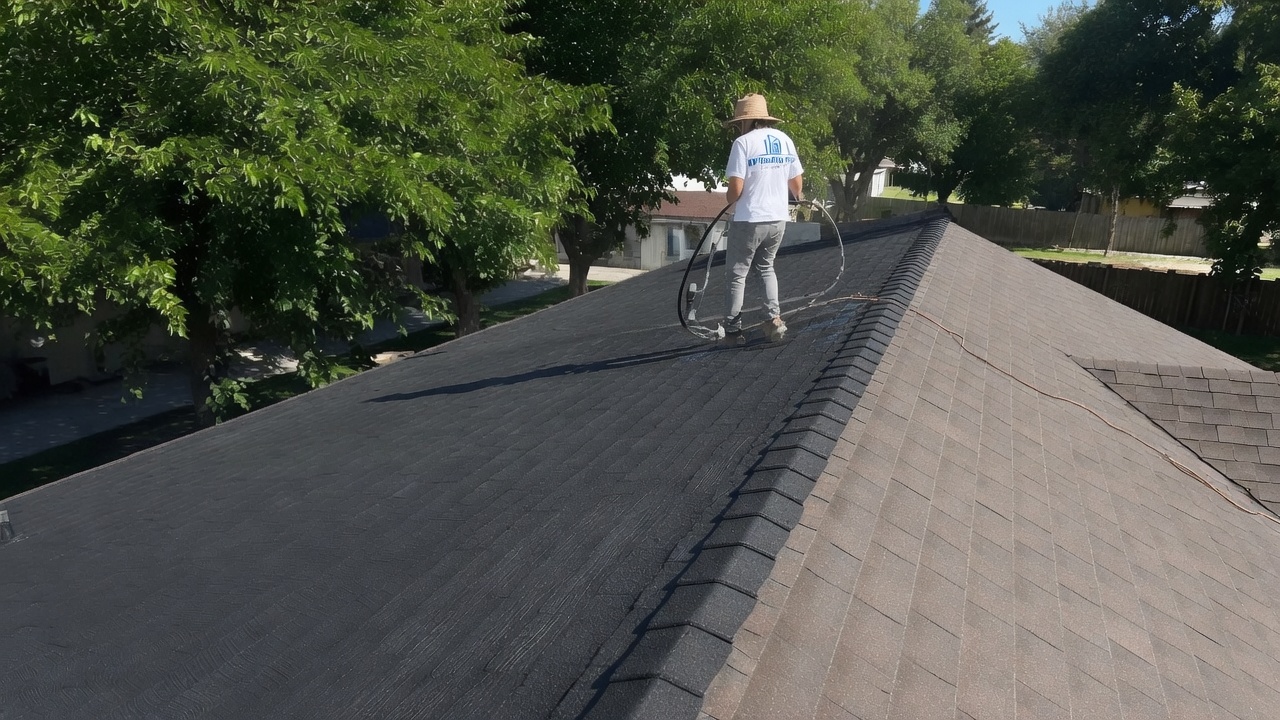
Step 2 - Cleaning. The roof is pressure-washed to remove algae, moss, oxidation, and loose debris. Adhesion is everything with an elastomeric system - a contaminated surface is a failed coating waiting to happen.
Step 3 - Seam and penetration sealing. All roof penetrations (vents, pipes, chimneys, valleys) are sealed with reinforcing fabric and a base-coat material. These are the zones where water typically enters, and they receive extra attention before the broad surface application begins.
Step 4 - Base coat application. A thick elastomeric base coat is rolled or sprayed across the entire surface. This layer bonds to the shingles and begins building the membrane.
Step 5 - Top coat application. A reflective finish coat is applied over the base. This is the layer that gives the system its energy-efficiency characteristics and weather resistance. The finished product is seamless - no laps, no seams, no mechanical fasteners creating potential entry points for water.
The result is a roof that moves with your home through temperature cycles (elastomeric coatings expand and contract with the substrate), sheds water efficiently, and reflects solar heat rather than absorbing it.
What the 15-Year Leak-Free Warranty Covers
A warranty is only as useful as its language, and this is where homeowners in Alhambra, CA and across the San Gabriel Valley should pay close attention before signing anything.
The RainArmor residential system comes with a 15-year leak-free warranty. Here’s what that means in practical terms:
Leak-free, not just material coverage. A materials-only warranty covers defects in the coating product itself but leaves labor and consequential damage to you. A leak-free warranty means that if your roof leaks through the coated area during the warranty period, the problem gets fixed - period. That’s a meaningfully different level of protection.
What’s covered: Water intrusion through the coated surface, coating delamination or adhesion failure, and premature degradation of the membrane under normal exposure conditions.
What’s typically not covered: Damage caused by falling objects (branches, hail above a certain size threshold), improper modifications made by a third party after installation, or failure caused by pre-existing structural issues that weren’t part of the original installation scope. Your installation paperwork will spell out the specific exclusions - read them before signing.
The maintenance expectation: Most coating warranties include a simple periodic inspection requirement - often an annual or biennial check to ensure the system is intact. This is not an onerous requirement, and it’s far less than the maintenance burden a newly installed shingle roof typically demands. You can review our HP Roofing Pro Warranties page for details on what’s included and how claims are handled.
How Transferability Works If You Plan to Sell
This is one of the most underrated aspects of the RainArmor system for homeowners in the San Gabriel Valley - particularly those planning to sell within the next several years.
A transferable warranty doesn’t just protect you; it becomes a tangible asset during a home sale. Here’s how it works:
When you sell your home, the remaining warranty term transfers to the new owner. There’s a transfer registration process - typically a brief paperwork step and a nominal administrative fee - that officially puts the warranty in the new buyer’s name.
For buyers, this matters. A home with a documented 15-year warranty and 8 years remaining is objectively more attractive than a home with an aging roof and no coverage. In a competitive market like Alhambra or the broader San Gabriel Valley, a transferable roof warranty can be a real differentiator during negotiations.
For you as a seller, it eliminates one of the most common contingency requests: the roof inspection repair credit. When you have documentation showing the roof was recently coated and is under a leak-free warranty, buyers have far less leverage to negotiate on roofing condition.
Make sure you receive the original warranty documentation at project completion, store it with your closing documents, and contact HP Roofing Pro when you’re ready to initiate the transfer.
Roof Coating vs. Roof Replacement: Choosing the Right Path
The honest answer is that a coating system isn’t right for every roof. Understanding where the line is drawn will save you time and money - and protect you from contractors who push coating on roofs that genuinely need replacement.
Good candidates for a coating system:
- Roofs with 40-80% remaining shingle life that have begun showing minor wear (surface cracking, early granule loss, small leak events) but retain structural integrity
- Roofs where the decking is dry and sound - no soft spots, no water-damaged OSB or plywood beneath the shingles
- Roofs that are leaking at specific penetrations or seams rather than through widespread shingle failure
- Homeowners who want to extend their current roof’s life by 15+ years without incurring replacement costs
When evaluating roof coating vs. roof replacement decisions, the core question is substrate integrity. The coating is a surface solution. If the problem is structural - rotted decking, widespread moisture intrusion into the attic, or shingles that have lost so much granule mass they’ve compromised the mat - a coating won’t solve it. It will mask it temporarily, and the failure that follows will be more expensive than if you’d replaced when you should have.
Situations that point to full replacement:
- Visible sagging or soft areas when you walk the roof
- Multiple layers of existing shingles that have exceeded their combined load rating
- Evidence of prolonged moisture beneath the shingles (mold, wood rot, staining on rafters)
- Shingles that are curling, cupping, or cracking across large portions of the surface
HP Roofing Pro’s inspection process specifically evaluates these factors. If your roof isn’t a coating candidate, you’ll be told that clearly - not pushed toward a coating that won’t hold.
Energy Efficiency and California Climate Considerations
Southern California roofing isn’t just about keeping rain out - it’s about managing heat. Alhambra and the surrounding San Gabriel Valley cities regularly see summer temperatures that drive cooling costs up, and a standard dark asphalt shingle roof absorbs the majority of that solar energy and transfers it into your living space.
The reflective top coat in the RainArmor system is designed to bounce a significant portion of solar radiation back into the atmosphere rather than absorbing it. Homeowners commonly report measurable reductions in attic temperatures and cooling bills after installation. This aligns with California’s broader commercial cool roof systems push under Title-24 energy standards - standards that increasingly influence residential construction and renovation as well.
Beyond energy savings, the reflective surface reduces thermal cycling stress on the coating itself. Roofs that run cooler expand and contract less throughout the day, which extends the life of the membrane and the shingles beneath it.
If you’re considering solar panels as a future addition, a freshly coated, warranted roof is a much better platform for that installation - and a conversation worth having with your installer before panels go up.
What to Expect During and After Installation
For most residential projects in the Alhambra area, installation takes one to two days depending on roof size and complexity. You don’t need to vacate your home, though expect noise from the pressure washing and equipment during application hours.
After installation:
- Cure time: The coating typically reaches a walkable surface cure within a few hours under normal Southern California conditions. Full cure - where the system reaches its rated performance - takes 24 to 72 hours depending on humidity and temperature.
- Appearance: The finished roof will have a uniform color (typically white or light gray for the reflective top coat) that looks distinctly different from bare shingles. Some homeowners love the clean appearance; others need a moment to adjust. If curb appeal is a concern, discuss finish color options before the job starts.
- First rain: This is the moment every homeowner waits for. Most clients report it’s something of an anti-climax - which is exactly the point. No drips. No buckets. No drywall damage.
For ongoing care, have the roof visually inspected annually. Clear debris from valleys and gutters. Don’t allow contractors working on HVAC or solar to walk the surface carelessly after installation - point foot traffic toward ridge lines and have protective walkway pads placed for any trades who need roof access.
For anyone wanting to go deeper on routine roof care, the comprehensive guide to flat roof maintenance covers maintenance principles that apply equally well to coated residential surfaces.
Is the RainArmor System Right for Your Home?
If you’re a homeowner in Alhambra, CA or anywhere in the San Gabriel Valley trying to make a smart decision about your roof, here’s the short version: an elastomeric coating system is a serious, warranted option - not a gimmick - when applied to the right roof by a qualified contractor. It costs significantly less than a full replacement, carries a 15-year leak-free warranty, transfers to new owners, and reduces your cooling costs in the process.
It’s not a substitute for replacement when replacement is truly needed. And the only way to know which category your roof falls into is an honest inspection from someone who isn’t financially motivated to push you one way or the other.
Contact HP Roofing Pro today to schedule a no-pressure roof evaluation. Our team serves Alhambra and the broader Los Angeles County area and will tell you straight whether your home is a coating candidate - or whether you’d be better served by a full replacement. Call us or fill out our online form to get started.