Blog
Preparing Your Commercial Roof for LA Rain Season: An Annual Checklist
June 5, 2026
Preparing Your Commercial Roof for LA Rain Season: An Annual Checklist
Los Angeles may be known for its sunshine, but when the rain season arrives between November and March, unprepared commercial property owners face costly surprises. A single winter storm can expose minor roof vulnerabilities that quickly escalate into major water damage, business disruption, and emergency repair bills. The key to weathering LA’s rainy months lies in proper preparation - and that starts with preparing your commercial roof for LA rain season through a comprehensive annual checklist.
Whether you manage a warehouse in Alhambra, an office complex in downtown LA, or retail space throughout Southern California, proactive roof preparation protects your investment and keeps your operations running smoothly. This systematic approach helps you identify potential issues before they become expensive problems, ensuring your commercial property remains dry and functional when the storms roll in.
Why LA Rain Season Demands Special Attention for Commercial Roofs
Southern California’s unique climate creates specific challenges for commercial roofing systems. After months of intense UV exposure and thermal cycling during the dry season, your roof materials may have developed stress fractures, loosened membrane seams, or compromised flashing connections. When sudden temperature drops accompany the first winter storms, these weakened areas often fail catastrophically.
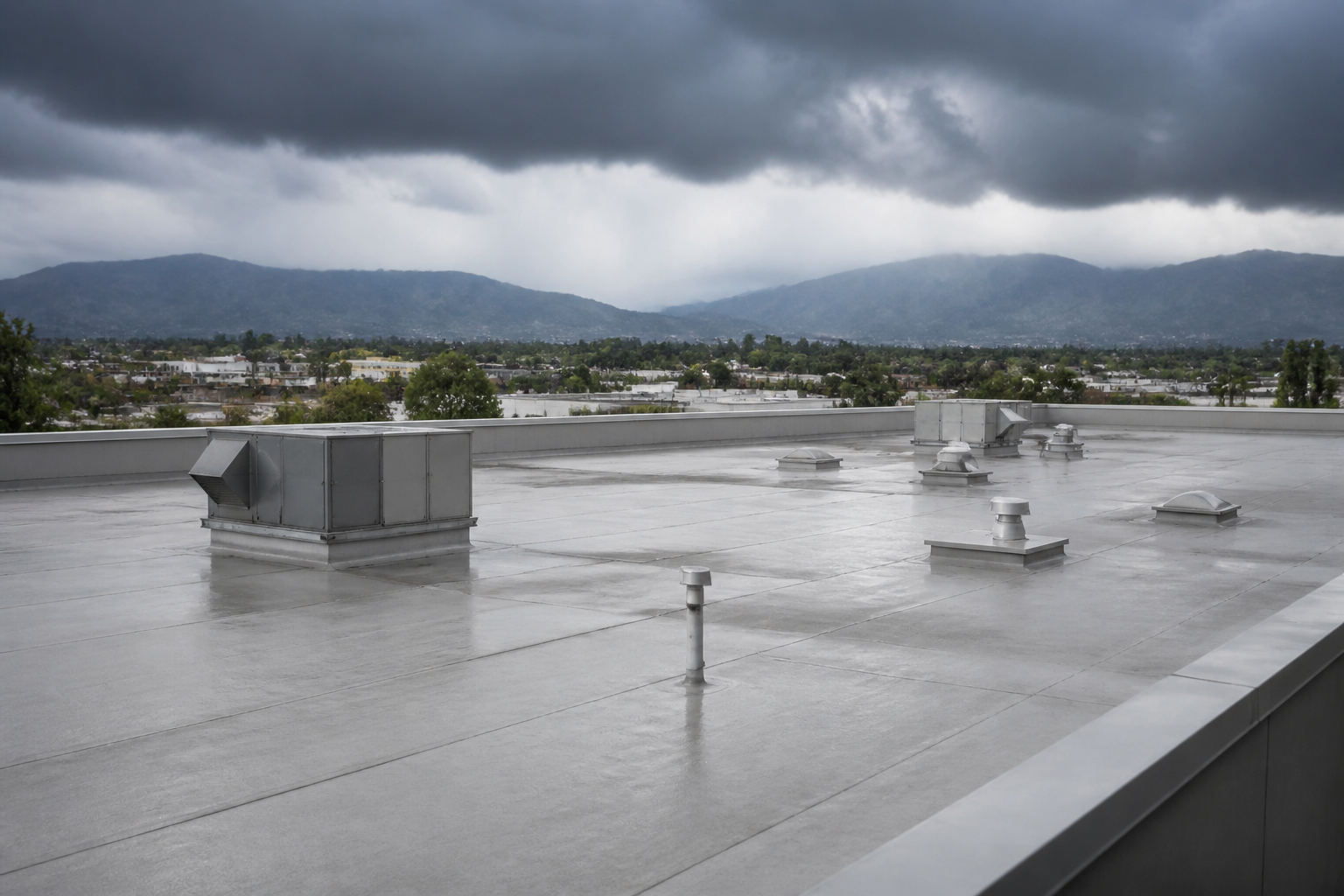
The Mediterranean climate pattern means LA receives most of its annual rainfall in just a few months, often in intense bursts that overwhelm compromised drainage systems. Commercial flat roofs, which dominate the landscape from Alhambra to downtown LA, are particularly vulnerable to ponding water when gutters and drains become clogged with debris accumulated during the dry months.
Additionally, California’s seismic activity can gradually shift roof components over time, creating gaps in flashing or membrane connections that only become apparent when water infiltration begins. The combination of thermal stress, UV damage, and subtle structural movement makes annual pre-season inspection and maintenance critical for commercial properties throughout the region.
Essential Pre-Season Roof Inspection Protocol
Your annual roof inspection should begin at least six weeks before the typical onset of LA’s rain season in November. This timing provides adequate lead time for any necessary repairs while avoiding the premium pricing and scheduling delays that occur once emergency calls begin flooding contractor schedules.
Start with a comprehensive visual assessment from the ground level using binoculars to scan for obvious damage signs: missing or displaced membrane sections, damaged flashing, debris accumulation, and vegetation growth. Look for areas where the roof surface appears uneven or where water might pond after rainfall.
Next, conduct a thorough rooftop inspection, prioritizing safety with proper fall protection equipment and preferably working with experienced professionals. Examine membrane seams carefully, checking for splits, gaps, or areas where adhesive has failed. Test the integrity of all penetrations including HVAC units, vents, and skylights, ensuring their flashing remains intact and properly sealed.
Document everything with photographs and detailed notes, creating a baseline record for future inspections. Pay special attention to areas that showed problems in previous years, as these locations often require ongoing monitoring and may need preventive commercial roof maintenance to prevent recurring issues.
Identifying the Puddle Problem: Your Primary Inspection Focus
Among all the items to check during your pre-season inspection, ponding water issues should receive the highest priority attention. Puddles on commercial flat roofs represent one of the most destructive problems you can face during LA’s rain season, and they rarely develop overnight. Instead, they typically result from years of accumulated patch repairs that gradually alter roof drainage patterns.
Look specifically for signs of multiple patch layers or repairs that may be creating unintended dams or barriers to water flow. When previous repairs are stacked or improperly tapered, they can redirect water away from drains and create new low spots where ponding occurs. These areas become especially problematic during extended rain periods when the additional weight of standing water can cause further roof deflection.
During your comprehensive roof inspection, use a straight edge or water level to identify areas where the roof surface doesn’t slope properly toward drains. Even a slope reduction from the required 1/4 inch per foot to 1/8 inch can create problematic ponding during heavy rainfall events common in Southern California.
Pay particular attention to areas around roof penetrations and equipment where multiple repairs may have been performed over the years. These locations often accumulate patch materials that inadvertently block or redirect drainage, creating puddle problems that only become apparent when the first major storm arrives.
Drainage System Maintenance and Optimization
Effective drainage is absolutely critical for LA commercial roofs, where sudden downpours can overwhelm systems that have been neglected during the dry season. Begin by thoroughly cleaning all gutters, downspouts, and roof drains, removing not just debris but also the fine sediment that accumulates over months of Santa Ana winds and urban dust.
Inspect drain strainers and overflow devices, ensuring they’re securely attached and properly sized for your roof’s square footage. Many commercial buildings in the Alhambra area have drain systems that were sized for older precipitation patterns and may need upgrading to handle increasingly intense storm events.
Test your drainage system’s capacity by running water through each drain and observing flow rates. Slow drainage often indicates partial blockages or slope issues that need correction before the rain season begins. Check that water flows freely through all horizontal drain lines and that downspouts discharge well away from the building foundation.
Consider installing additional overflow drains if your current system shows signs of being overwhelmed during peak flow periods. Modern commercial roofing codes require multiple drainage paths specifically to prevent the catastrophic ponding that can lead to structural damage when primary drains become blocked during storms.
Membrane and Flashing Repair Priorities
Commercial roof membranes in LA face unique stresses from the region’s intense UV exposure followed by thermal shock when winter rains arrive. Priority repairs should focus on areas where membrane integrity has been compromised, starting with the most vulnerable points: seams, penetrations, and edge details.
Examine all membrane seams for signs of separation, particularly on mechanically-attached systems where thermal expansion and contraction can work fasteners loose over time. Small separations can often be addressed with appropriate sealants or patch materials, but larger failures may require complete seam reconstruction.
Flashing repairs deserve immediate attention, as these transition areas between roof surfaces and vertical elements are responsible for the majority of commercial roof leaks. Check the condition of all step flashing, counterflashing, and penetration boots, looking for cracks, gaps, or corrosion that could allow water infiltration.
For properties with aging membrane systems, consider whether this is the optimal time to explore restoration options. RainArmor seamless cool-roof restoration can address multiple minor issues simultaneously while providing enhanced weather resistance and energy efficiency benefits that reduce long-term operating costs.
Don’t Rely on Last-Minute Patch Repairs
One of the biggest mistakes commercial property owners make is attempting to address roofing issues with quick patch repairs once the first storm warnings appear on the weather forecast. This reactive approach might provide temporary peace of mind, but it rarely delivers lasting protection and often creates more problems than it solves.
Emergency patches applied under time pressure and potentially poor weather conditions lack the proper surface preparation, material conditioning, and curing time necessary for reliable performance. These hasty repairs frequently fail during the very storms they were intended to weather, leaving property owners with both the original problem and additional damage from the failed patch attempt.
More importantly, last-minute patching often masks underlying issues that require comprehensive attention. A small leak visible during the first rain may indicate much larger membrane problems, drainage issues, or structural concerns that quick patches cannot address. By focusing on immediate symptom relief rather than root cause correction, property owners often face much larger repair bills when the temporary fixes inevitably fail.
The most problematic aspect of reactive patching is that it typically occurs during peak demand periods when qualified contractors are overwhelmed with emergency calls. This means either waiting for available service while damage continues, or accepting work from less qualified providers who may not have the expertise to properly diagnose and address the real problems affecting your commercial roof.
Proactive Maintenance: Schedule Before the Rain, Not During It
Smart commercial property owners recognize that effective roof protection requires a proactive approach that addresses potential problems before they become crises. HP Roofing Pro’s preventive maintenance program is specifically designed to keep your commercial roof ahead of LA’s challenging weather patterns through systematic inspection, maintenance, and repair scheduling.
Our comprehensive maintenance approach begins with detailed roof assessment during optimal working conditions, typically in late summer or early fall when materials can be properly prepared and repairs can cure under ideal conditions. This timing ensures that any necessary work is completed well before the first storms arrive, providing maximum protection when you need it most.
The program includes regular roof maintenance visits that address minor issues before they develop into major problems. By maintaining consistent roof condition monitoring, we can identify emerging problems early and schedule corrections during convenient periods rather than emergency situations that disrupt your business operations.
Preventive maintenance also allows for proper planning and budgeting of roof-related expenses. Rather than facing unexpected emergency repair bills during storm season, you can anticipate maintenance needs and schedule work during periods when competitive pricing is available and skilled contractors aren’t overwhelmed with crisis calls.
HVAC and Rooftop Equipment Weatherproofing
Commercial rooftops typically support substantial HVAC infrastructure that requires special attention before rain season arrives. The connections between rooftop equipment and the roof membrane create numerous potential leak points that must be properly sealed and maintained.
Inspect all HVAC unit mounting systems, ensuring that structural supports remain secure and that vibration hasn’t loosened connections over time. Check the condition of equipment pads and verify that proper drainage exists around units to prevent water accumulation that could lead to structural damage or equipment failure.
Examine all refrigeration lines, electrical conduits, and gas lines where they penetrate the roof surface. These penetrations require specialized flashing systems that can accommodate the thermal movement of both the roof membrane and the mechanical systems. Replace any damaged or deteriorated penetration seals immediately, as these areas often fail suddenly during the first major storm.
Consider upgrading older equipment installations to current weatherproofing standards, particularly if your building houses sensitive electronics or operates 24/7. The cost of preventive upgrades is typically far less than dealing with water damage to expensive HVAC equipment or business interruption during repairs.
Safety and Emergency Preparedness Planning
Beyond physical roof preparation, successful rain season readiness requires comprehensive emergency planning and safety protocols. Develop clear procedures for monitoring roof conditions during storms, including safe access routes and evacuation plans if structural integrity becomes compromised.
Establish relationships with reliable emergency contractors before you need them, vetting their credentials, insurance coverage, and storm response capabilities. Many property owners in Alhambra and surrounding areas discover too late that their preferred contractors are overwhelmed when multiple properties experience simultaneous failures during major storm events.
Create an emergency contact list that includes not only roofing contractors but also water damage restoration specialists, structural engineers if needed, and your insurance company’s emergency claim reporting number. Document your roof’s current condition with comprehensive photographs that can support insurance claims if damage occurs despite your preventive efforts.
Stock emergency materials including tarps, temporary patching supplies, and pumps for water removal. While these items can’t replace professional repairs, they can prevent minor leaks from becoming major disasters while you await contractor response during peak demand periods.
Having access to reliable emergency repair services can mean the difference between minor inconvenience and major business disruption when unexpected problems arise despite your best preparation efforts.
Professional Inspection and Maintenance Services
While property owners can handle basic visual inspections and minor maintenance tasks, comprehensive roof preparation often requires professional expertise to identify subtle problems and ensure compliance with current building codes and manufacturer warranties.
Professional inspectors bring specialized equipment including thermal imaging cameras that can detect moisture infiltration invisible to visual inspection, and they understand the specific vulnerabilities of different commercial roofing systems common in Southern California. Their experience helps prioritize repair needs and budget allocation for maximum protection.
Many commercial property owners throughout the LA area have discovered that annual professional maintenance contracts provide better value than reactive repair approaches. These programs typically include pre-season preparation, storm damage assessment, and priority scheduling for emergency repairs when needed.
When selecting professional services, prioritize contractors with specific experience in your roof system type and strong local references from similar commercial properties. Expert flat roof repair services should include not just problem correction but also recommendation for preventing similar issues in future seasons.
Frequently Asked Questions
Q: How early should I start preparing my commercial roof for LA’s rain season?
Begin your roof preparation at least six weeks before November, typically in mid-to-late September. This timing allows adequate time for thorough inspection, material ordering, and completion of any necessary repairs before the first storms arrive. Early preparation also helps you avoid premium pricing and scheduling delays that occur once contractors become overwhelmed with emergency calls.
Q: What’s the most important thing to look for during pre-season roof inspection?
Ponding water areas should be your top priority. Look for signs of standing water, multiple patch repairs that might block drainage, and any areas where the roof doesn’t slope properly toward drains. Puddle problems cause more commercial roof failures during LA’s rain season than any other single issue, and they often develop gradually over multiple seasons.
Q: Can I handle roof preparation myself, or do I need professional help?
While you can perform basic visual inspections and simple maintenance tasks like clearing debris from drains, comprehensive roof preparation typically requires professional expertise. Professionals have specialized equipment to detect hidden problems and understand the specific requirements of different commercial roofing systems. They can also ensure that repairs comply with building codes and manufacturer warranties.
Q: How often should commercial roofs be professionally inspected?
Commercial roofs should receive professional inspection at least annually, preferably before rain season begins. However, roofs over 15 years old, those with a history of problems, or buildings housing sensitive operations may benefit from bi-annual inspections. Regular professional assessment helps identify emerging issues before they become expensive problems.
Q: What’s the difference between emergency patching and proper roof repair?
Emergency patches are temporary measures designed to stop immediate water infiltration, but they rarely address underlying problems and often fail under stress. Proper repairs involve thorough diagnosis of root causes, surface preparation, appropriate material selection, and adequate curing time. Emergency patches applied under time pressure typically need replacement with permanent repairs once weather conditions improve.
Q: Why do some commercial roofs develop puddle problems even with proper drains?
Puddle problems often develop when multiple patch repairs are stacked over time, creating unintended barriers to water flow. Even small changes in roof elevation from repair work can redirect water away from drains and create new low spots. Additionally, building settlement, thermal cycling, or inadequate original slope design can contribute to ponding water issues that worsen over time.
Q: What should I do if I discover a leak during the rain season?
If you discover a leak during active rainfall, first ensure safety by avoiding electrical hazards and marking wet areas to prevent slips. Contact emergency roofing services immediately, but also implement temporary measures like strategically placed containers to collect water and tarps to minimize further infiltration. Document the damage with photos for insurance purposes, but prioritize safety over documentation during active storms.
Protect Your Investment Before the Storms Arrive
Preparing your commercial roof for LA’s rain season isn’t just about preventing immediate water damage - it’s about protecting your long-term investment and maintaining business continuity. A systematic approach to pre-season preparation, combined with professional expertise when needed, ensures your property weathers whatever Mother Nature delivers.
The annual checklist approach transforms roof maintenance from reactive crisis management into proactive asset protection. By addressing minor issues before they become major problems, you not only save money but also avoid the business disruption that comes with emergency repairs during peak storm periods.
Don’t wait until the first storm warnings appear to discover your roof’s vulnerabilities. Contact HP Roofing Pro today to schedule your comprehensive pre-season roof inspection and ensure your commercial property is ready for whatever LA’s rain season brings. Our experienced team serves commercial properties throughout Alhambra and the greater Los Angeles area, providing the expertise and reliability you need to keep your business dry and operational.