Blog
Title 24 Cool Roof Compliance for California Commercial Properties: A 2026 Guide
June 8, 2026
Title 24 Cool Roof Compliance for California Commercial Properties: A 2026 Guide
California’s commercial property owners face a critical deadline that could significantly impact their bottom line. Starting January 1, 2026, the state’s updated Title 24 energy efficiency standards will impose stricter requirements on commercial roofing systems, making cool roof technology mandatory for most new installations and major renovations. If you own or manage commercial property in California, understanding Title 24 Cool Roof Compliance for California Commercial Properties: A 2026 Guide is essential for avoiding costly violations and maximizing energy savings.
The new regulations aren’t just about compliance - they represent a fundamental shift toward sustainable building practices that can reduce your cooling costs by 20-50% annually. However, navigating the complex requirements, understanding which properties are affected, and selecting compliant roofing solutions requires expert guidance. For commercial property owners in Alhambra and throughout Southern California, the time to prepare is now.
Understanding California’s Title 24 Cool Roof Requirements
California’s Title 24 Building Energy Efficiency Standards, officially known as Part 6 of the California Building Standards Code, sets minimum energy efficiency requirements for new construction and major renovations. The 2025 update, taking effect in 2026, introduces comprehensive cool roof mandates that will reshape the commercial roofing landscape.
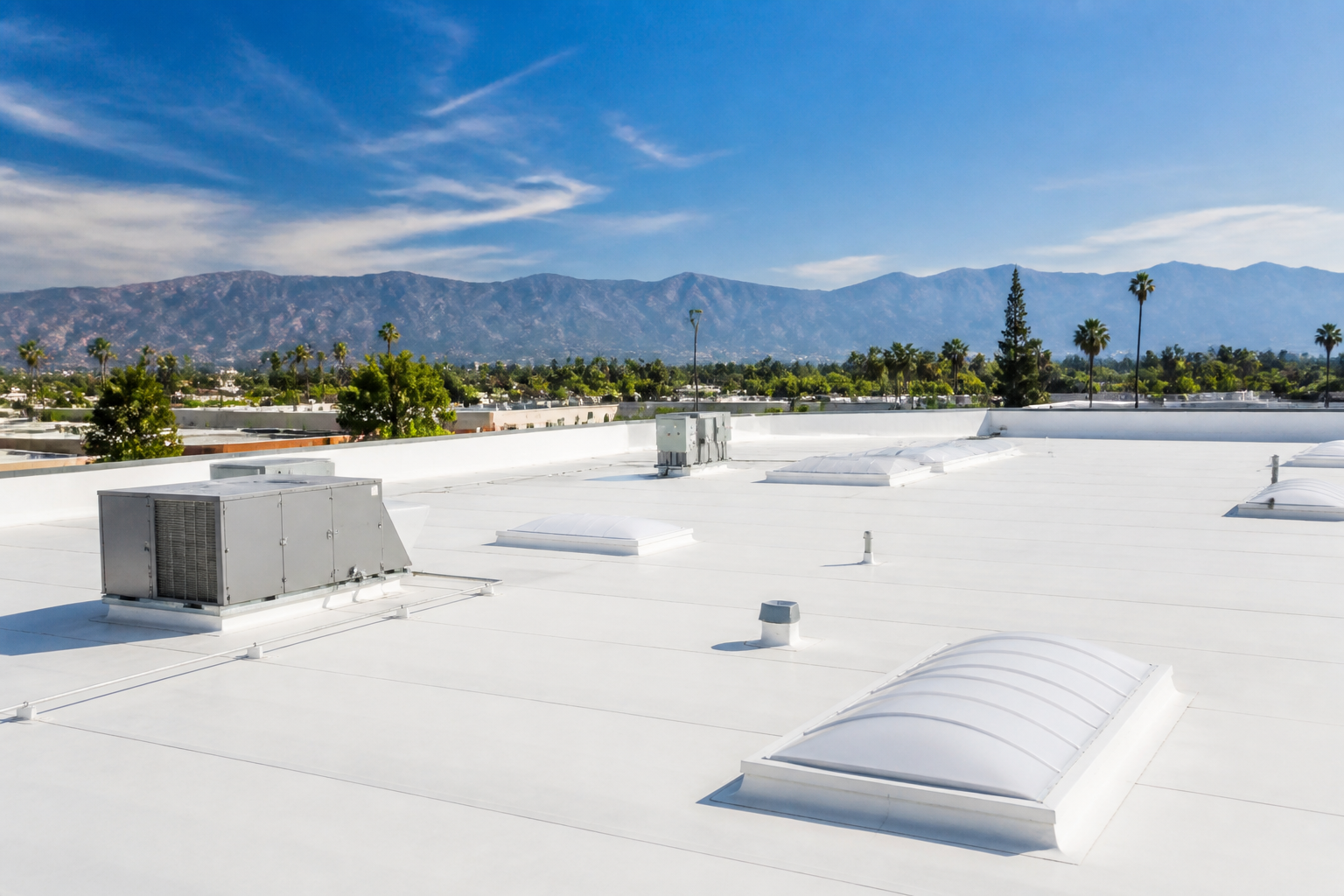
Cool roofs work by reflecting solar radiation and emitting absorbed heat more efficiently than traditional dark roofing materials. These systems must meet specific Solar Reflectance Index (SRI) values: minimum SRI 64 for low-slope roofs (less than 2:12 pitch) and minimum SRI 16 for steep-slope roofs. Additionally, cool roofs must maintain thermal emittance of at least 0.75 and aged solar reflectance of at least 0.55 for low-slope applications.
The regulations apply to all nonresidential buildings, including offices, warehouses, retail spaces, and industrial facilities. Properties undergoing roof replacements covering 50% or more of the roof area within a 12-month period must comply with the new standards. This “substantial alteration” threshold means even phased renovation projects could trigger compliance requirements.
For property owners considering commercial cool roof systems, the benefits extend beyond regulatory compliance. Cool roofs reduce urban heat island effects, lower peak electrical demand, and can qualify for utility rebates and tax incentives. Many property owners report 15-40% reductions in cooling energy costs within the first year of installation.
Which Commercial Properties Must Comply
The 2026 Title 24 requirements cast a wide net across California’s commercial property landscape. Understanding whether your property falls under the mandate is crucial for planning and budgeting purposes.
Mandatory compliance applies to:
- All new commercial construction projects
- Roof replacements covering 50% or more of the roof area within 12 months
- Major building additions exceeding 1,000 square feet
- Change of occupancy projects requiring substantial mechanical system upgrades
Climate zone considerations play a significant role in compliance requirements. California’s 16 climate zones each have specific SRI requirements, with hotter inland areas like Alhambra (Climate Zone 9) facing stricter standards than coastal regions. Properties in Climate Zones 2, 4, 6, 8-16 must meet the full cool roof requirements, while coastal zones have modified standards.
Exemptions and alternatives exist for certain property types and situations. Historic buildings may qualify for exemptions when cool roof installation would compromise historic integrity. Buildings with extensive rooftop equipment covering more than 25% of the roof area can use alternative compliance paths. Additionally, properties with existing vegetative roof systems or solar installations may have modified requirements.
The regulations also include phased project provisions that prevent property owners from artificially splitting projects to avoid compliance. If multiple roof sections are replaced within a three-year period and collectively exceed the 50% threshold, all work must meet cool roof standards. This provision requires careful project planning and documentation to ensure compliance.
For warehouse and industrial properties common throughout the San Gabriel Valley, the requirements are particularly relevant given the large roof areas involved. Many facilities built in the 1980s and 1990s are approaching roof replacement cycles, making 2026 compliance planning essential for operational continuity.
Cool Roof Technology Options for 2026 Compliance
Commercial property owners have several technology pathways to achieve Title 24 compliance, each offering distinct advantages depending on building type, budget, and performance goals.
Single-ply membrane systems represent the most common compliance solution for low-slope commercial roofs. TPO (Thermoplastic Polyolefin) and PVC (Polyvinyl Chloride) membranes in white or light colors easily exceed SRI requirements. These systems offer excellent durability, with 20-30 year lifespans and strong warranty coverage. Installation costs typically range from $6-12 per square foot, depending on substrate conditions and project complexity.
Modified bitumen cool roof systems provide another compliance option, particularly for properties requiring enhanced puncture resistance. Cool-surfaced modified bitumen incorporates reflective granules or coatings to achieve required SRI values while maintaining the proven performance characteristics of traditional asphalt-based systems.
Elastomeric coating systems offer an cost-effective compliance solution for many existing roofs in good structural condition. The RainArmor seamless cool-roof system exemplifies this technology, providing Title 24 compliance while extending roof life by 15-20 years. Acrylic elastomeric coatings can achieve SRI values exceeding 100, far surpassing minimum requirements while delivering exceptional energy savings.
Built-up roofing with cool surfacing remains viable for properties requiring maximum durability or having specific structural requirements. Cool cap sheets, reflective coatings, or aggregate surfacing can bring traditional built-up systems into compliance while maintaining familiar installation and maintenance practices.
Vegetative roof systems represent the premium compliance option, offering maximum environmental benefits and potential LEED credits. While initial costs are higher ($15-25 per square foot), green roofs provide unmatched thermal performance, stormwater management, and urban heat island reduction.
The selection process should consider not just initial compliance but long-term performance and maintenance requirements. Cool roof surfaces can accumulate dirt and debris over time, potentially reducing reflectance below required levels. Some coating systems require periodic reapplication to maintain compliance, while membrane systems typically retain reflectance throughout their service life.
RainArmor Configurations and Title 24
All four RainArmor configurations meet California Title 24 requirements, with manufacturer spec sheets confirming full compliance with the state’s energy efficiency standards. HP Roofing Pro uses high-performance elastomeric acrylic coatings that exceed SRI requirements while providing exceptional durability and long-term performance.
The RainArmor system is designed specifically to meet and exceed Title 24 compliance standards while offering property owners multiple configurations to match their specific needs and budget requirements. Each configuration uses proven, thoroughly tested elastomeric coating technology certified for California’s demanding climate conditions.
These coating systems are also Energy Star qualified and carry Cool Roof Rating Council (CRRC) certification, providing property owners with additional assurance of performance and compliance. The CRRC certification ensures that the products meet rigorous testing standards for solar reflectance and thermal emittance, while Energy Star qualification confirms superior energy efficiency performance.
From a financial perspective, elastomeric coating applications like RainArmor are often classified as maintenance expenses rather than capital improvements, providing potential tax advantages for property owners. These systems can be renewed every 10-15 years, extending roof life indefinitely while maintaining Title 24 compliance throughout the building’s operational life.
HP Roofing Pro’s Professional Certifications
HP Roofing Pro maintains an extensive certification portfolio that ensures proper installation and compliance with all Title 24 requirements. Our certification stack includes Owens Corning Preferred Contractor status, GAF CoatingsPro certification, and Mulehide Certified Applicator credentials. These manufacturer certifications demonstrate our commitment to industry-leading installation practices and ongoing technical education.
These certifications provide property owners with confidence that their cool roof installation will meet all regulatory requirements while delivering maximum performance and longevity. Our certified technicians understand the specific installation requirements for Title 24 compliance and maintain ongoing training on evolving regulations and best practices.
Implementation Timeline and Planning Strategy
Successfully achieving Title 24 compliance requires strategic planning that begins well before the 2026 effective date. Property owners who start planning now will have more options, better contractor availability, and potentially lower costs than those waiting until the deadline approaches.
2024 Planning Phase should focus on comprehensive roof assessments and compliance strategy development. Property owners should conduct professional roof inspections to evaluate current condition, remaining service life, and compliance options. This period is ideal for budgeting, securing financing, and beginning contractor selection processes. Early planning also allows time to explore utility rebate programs and tax incentives that may offset compliance costs.
2025 Implementation Phase will see increased activity as the deadline approaches. Contractor availability may become constrained, and material lead times could extend. Property owners with planned 2025 installations should secure contracts early and consider beginning work before peak demand periods. This phase should also include permit applications and final engineering specifications.
2026 and Beyond requires ongoing compliance monitoring and maintenance planning. Cool roof performance can degrade over time, potentially falling below required SRI values. Property owners must establish maintenance protocols to ensure continued compliance throughout the roof’s service life.
Multi-property portfolio strategies require coordinated planning across all California locations. Large property owners should prioritize buildings based on roof condition, compliance requirements, and potential energy savings. Bulk purchasing agreements and master service contracts can provide cost advantages for portfolio-wide compliance programs.
For properties in Alhambra and surrounding San Gabriel Valley communities, coordination with local building departments early in the process helps identify any additional local requirements or expedited permitting programs. Some jurisdictions offer expedited review for energy efficiency projects, potentially reducing project timelines.
Financial planning considerations include exploring Property Assessed Clean Energy (PACE) financing, utility rebate programs, and federal tax incentives for energy efficiency improvements. The California Energy Commission offers various incentive programs that can significantly offset compliance costs, particularly for smaller commercial properties.
Working with Qualified Contractors in Southern California
Selecting the right contractor is crucial for successful Title 24 compliance, as improper installation can void warranties, create liability issues, and fail to achieve required performance standards. Not all roofing contractors have experience with cool roof technologies or understand the specific compliance requirements.
Contractor qualification criteria should include CSLB licensing verification, manufacturer certifications for cool roof products, and demonstrated experience with Title 24 compliance projects. Contractors should provide detailed knowledge of SRI testing requirements, aged reflectance standards, and ongoing compliance monitoring obligations. For property owners unsure about how to choose a licensed commercial roofing contractor in California, thorough vetting is essential.
Local expertise advantages include familiarity with regional building codes, climate considerations, and permitting processes. Contractors serving Alhambra and the broader Los Angeles area understand the unique challenges of urban commercial roofing, including access constraints, neighbor relations, and municipal requirements. Local contractors also provide better ongoing service and warranty support throughout the roof’s service life.
Project documentation requirements for Title 24 compliance include detailed material specifications, SRI test reports, installation certifications, and ongoing maintenance protocols. Qualified contractors should provide comprehensive documentation packages that satisfy building department requirements and support future compliance audits.
Quality assurance protocols must include material verification, installation inspections, and performance testing. Cool roof installations require specific techniques to maintain reflectance properties and ensure proper adhesion. Contractors should provide detailed quality control procedures and third-party verification when required.
Warranty and maintenance support considerations are particularly important for cool roof systems, as performance degradation can impact compliance. Contractors should offer comprehensive warranty coverage and ongoing preventive commercial roof maintenance programs to ensure continued compliance throughout the roof’s service life.
The roofing industry is experiencing high demand as the 2026 deadline approaches, making early contractor selection crucial. Property owners should begin the selection process at least 12-18 months before planned installation to ensure availability of qualified contractors and preferred installation timing.
Frequently Asked Questions
Q: What happens if my building doesn’t comply with Title 24 cool roof requirements by 2026?
Non-compliance with Title 24 standards can result in building permit delays, failed inspections, and potential fines from local building departments. More importantly, non-compliant buildings may face issues with occupancy permits, insurance coverage, and property valuations. The California Energy Commission works with local jurisdictions to enforce compliance, and violations can result in stop-work orders for ongoing construction projects.
Q: Can I use a roof coating to achieve Title 24 compliance on my existing roof?
Yes, elastomeric roof coatings like the RainArmor system can achieve Title 24 compliance when applied to structurally sound existing roofs. These coatings must meet specific SRI requirements and carry CRRC certification. However, the existing roof must be in good condition without significant membrane damage or structural issues. A professional roof assessment is essential to determine if coating application is viable.
Q: How long do cool roofs maintain their Title 24 compliance?
Cool roof compliance depends on maintaining required SRI values throughout the roof’s service life. Most membrane systems retain compliance for their full warranty period (15-30 years), while coating systems may require renewal every 10-15 years. Regular maintenance and cleaning help preserve reflectance properties. Property owners should establish monitoring protocols and work with qualified contractors to ensure ongoing compliance.
Q: Are there financial incentives available for Title 24 compliant cool roof installations?
Yes, multiple financial incentive programs exist for cool roof installations. These include utility rebate programs, Property Assessed Clean Energy (PACE) financing, federal tax credits for energy efficiency improvements, and potential local incentive programs. The California Energy Commission maintains current information on available programs. Additionally, cool roof coatings are often classified as maintenance expenses rather than capital improvements, providing potential tax advantages.
Q: What’s the difference between Energy Star and Title 24 requirements for cool roofs?
While both programs promote energy efficiency, Title 24 requirements are mandatory for California commercial buildings, whereas Energy Star certification is voluntary. Title 24 has specific SRI requirements that vary by climate zone, while Energy Star has its own reflectance and emittance standards. Many products meet both requirements, and choosing dual-certified products provides additional performance assurance and potential utility rebate eligibility.
Q: Can solar panels affect Title 24 cool roof compliance requirements?
Solar panel installations can modify Title 24 compliance requirements since covered roof areas don’t need to meet cool roof standards. However, any exposed roof areas must still comply with applicable requirements. The interaction between solar panel roofing installation and cool roof requirements should be evaluated during project planning. Properties with existing solar installations may have different compliance pathways available.
Q: How do I verify that my contractor can properly install Title 24 compliant cool roofs?
Verify contractor qualifications by checking CSLB license status, manufacturer certifications for cool roof products, and references from recent Title 24 compliance projects. Qualified contractors should demonstrate knowledge of SRI testing requirements, proper installation techniques, and documentation requirements. Request detailed project specifications and compliance documentation as part of the contractor selection process. Working with certified professionals ensures proper installation and compliance.
Maximize Your Investment with Professional Title 24 Compliance
California’s Title 24 cool roof requirements represent more than regulatory compliance - they offer an opportunity to reduce operating costs, improve building performance, and demonstrate environmental leadership. However, achieving successful compliance requires careful planning, proper contractor selection, and ongoing maintenance commitment.
The complexity of Title 24 requirements, combined with the variety of available cool roof technologies, makes professional guidance essential. From initial compliance assessment through installation and ongoing maintenance, working with experienced contractors ensures optimal results and long-term value.
For commercial property owners in Alhambra and throughout Southern California, the time to act is now. Early planning provides access to the best contractors, materials, and financing options while avoiding the rush as the 2026 deadline approaches. Don’t wait until compliance becomes an emergency - start planning your cool roof strategy today.
Contact HP Roofing Pro today for a comprehensive Title 24 compliance assessment and customized roofing solution. Our team of certified professionals has the experience and expertise to guide you through every aspect of cool roof compliance, from initial planning through long-term maintenance. Let us help you turn regulatory requirements into operational advantages with a cool roof system designed for California’s demanding climate and energy standards.